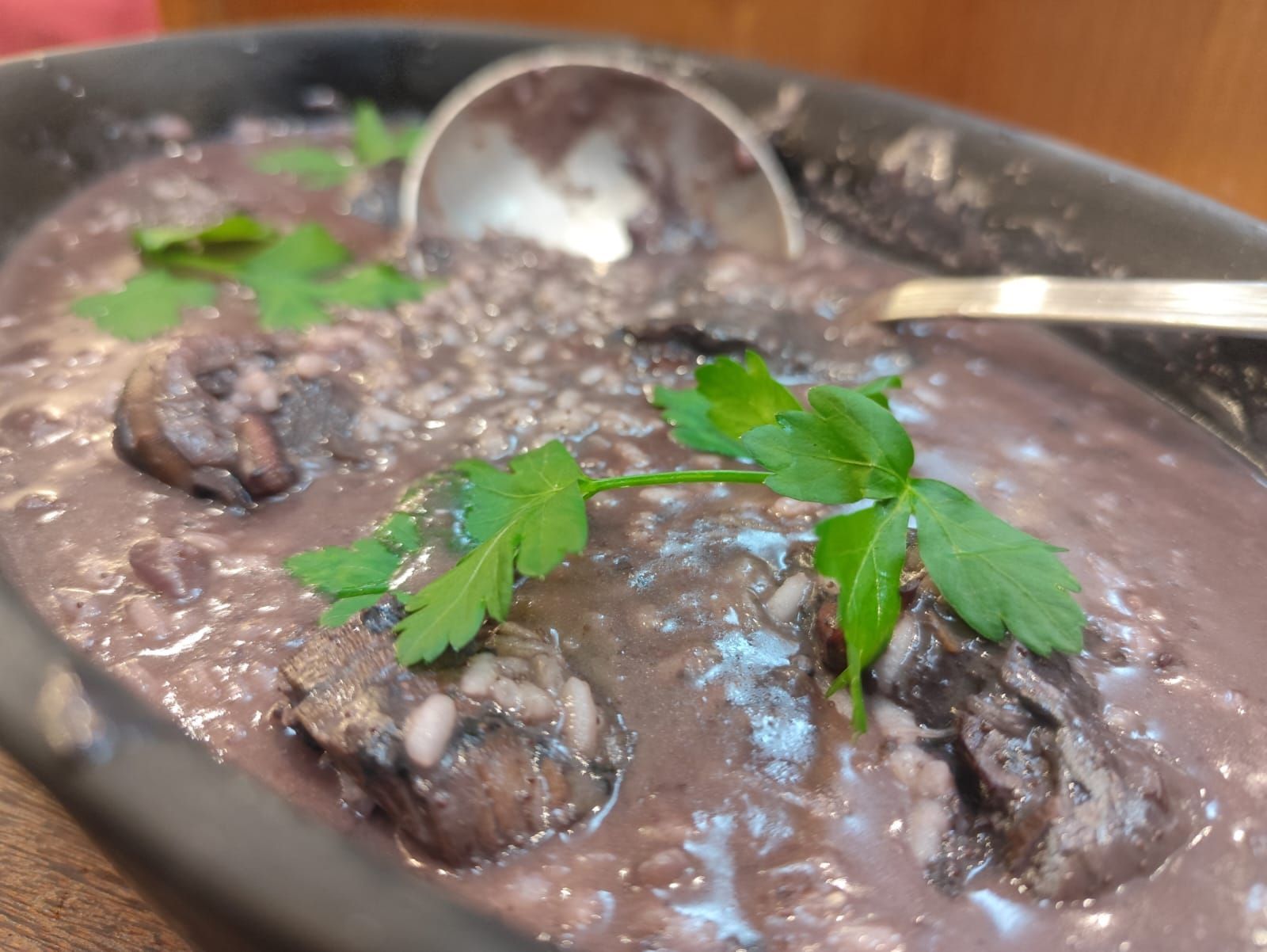
With the official start of the lamprey (Petromyzon marinus) season in Portugal, one of the most repeated sayings along the banks of Portuguese rivers is heard once again: 'Year of floods, year of lampreys (Petromyzon marinus).' The expression, deeply rooted in popular culture, suggests that the abundance of precipitation during the winter automatically translates into a greater quantity of this delicacy in national rivers. However, the ecological and scientific reality is much more complex — and less linear — than the proverb indicates.
The sea lamprey (Petromyzon marinus) has a multi-year life cycle that is highly sensitive to environmental conditions accumulated over several years. After spawning in the river environment, the larvae remain buried in the sediment for three to five years, feeding on microscopic organic matter before undergoing metamorphosis and migrating to the sea. Only after this period do they return, as adults, to their home rivers to complete the reproductive cycle. This means that the number of specimens available in a given season does not depend exclusively — or mainly — on the rains of that winter, but rather on the ecological conditions observed over several previous years.
Floods can, in fact, play a relevant role in the migration of adults, increasing the flow and facilitating movement upstream. Under certain circumstances, higher water levels allow them to overcome natural obstacles or temporarily reduce the impact of some artificial barriers. However, this effect is behavioral and momentary. It does not create more individuals, it does not alter past reproductive success, and it does not compensate for accumulated losses resulting from factors such as pollution, habitat degradation, dam construction, thermal changes, or fishing pressure.
In recent years, Portuguese rivers have faced significant structural changes. River fragmentation, associated with hydraulic infrastructure, continues to condition ecological connectivity. At the same time, climate change introduces variations in water temperature and hydrological regimes, factors that directly influence migratory patterns. The oceanic component of the lamprey (Petromyzon marinus) cycle also cannot be ignored: food availability at sea and changes in marine ecosystems impact the survival of individuals before their return to the rivers.
Faced with this scenario, experts emphasize that the relationship between floods and abundance is, at the very least, simplified. There may be years of high precipitation with modest catches and less rainy years with relatively positive results. Variability has become structural.
In economic terms, this uncertainty is reflected in the market. The lamprey (Petromyzon marinus) is a delicacy of strong gastronomic and cultural value, but simultaneously a sensitive and regulated resource. Fishing seasons are limited and inspection rules are increasingly demanding. Supply is neither constant nor predictable. And in a context of high demand, especially during the traditional months of consumption, responsible supply chain management becomes decisive.
In a year marked by floods and high expectations, it is important to remember that abundance is not decreed by weather. Nature follows its own, cumulative and sensitive cycles. Those who wish to ensure this delicacy is on their table cannot rely solely on a popular saying — they need organization, traceability, and responsible processing.
The season has already begun. Availability is structurally limited and demand remains high. Anyone who wants to secure lamprey (Petromyzon marinus) this season should not wait for the river flow to decide for them. Karapau makes lamprey (Petromyzon marinus) ready to cook, prepared with method, safety, and respect for tradition. Simply sauté, finish, and serve.
Continue exploring
From the article to the source, the products, and the knowledge.
Discover Karapau products or continue to Learn More to consult information on species, legislation, origin, sustainability, and gastronomy.